

The 50/30/20 Rule for Wedding Budgeting: A Simple Path to a Stress-Free Celebration
Planning a wedding is exciting—but budgeting for one can quickly feel overwhelming. With countless decisions to make and costs adding up fast, it’s easy to lose track of where your money is going. That’s where the 50/30/20 rule for wedding budgeting comes in. This simple framework helps couples stay organized, prioritize what matters most, and protect themselves from financial stress.
What Is the 50/30/20 Wedding Budget Rule?
Adapted from personal finance principles, the 50/30/20 rule divides your total wedding budget into three clear categories:
50% for Needs
30% for Wants
20% for Buffer
This structure creates balance—ensuring your essential expenses are covered, your celebration still feels personal and special, and you’re financially prepared for surprises.
50%: Covering the Essential “Needs”
The largest portion of your budget should go toward the non-negotiables—the elements that make your wedding actually happen. These are the core expenses that guests expect and that form the foundation of your day.
Common “needs” include:
Venue rental
Catering and drinks
Wedding attire
Officiant and required permits
Basic photography
Seating, tables, and place settings
By limiting these essentials to about half of your budget, you avoid overspending on basics and leave room for personalization later. This also encourages smart decision-making, such as choosing a venue that includes tables and chairs or a catering package that fits your guest count without unnecessary extras.

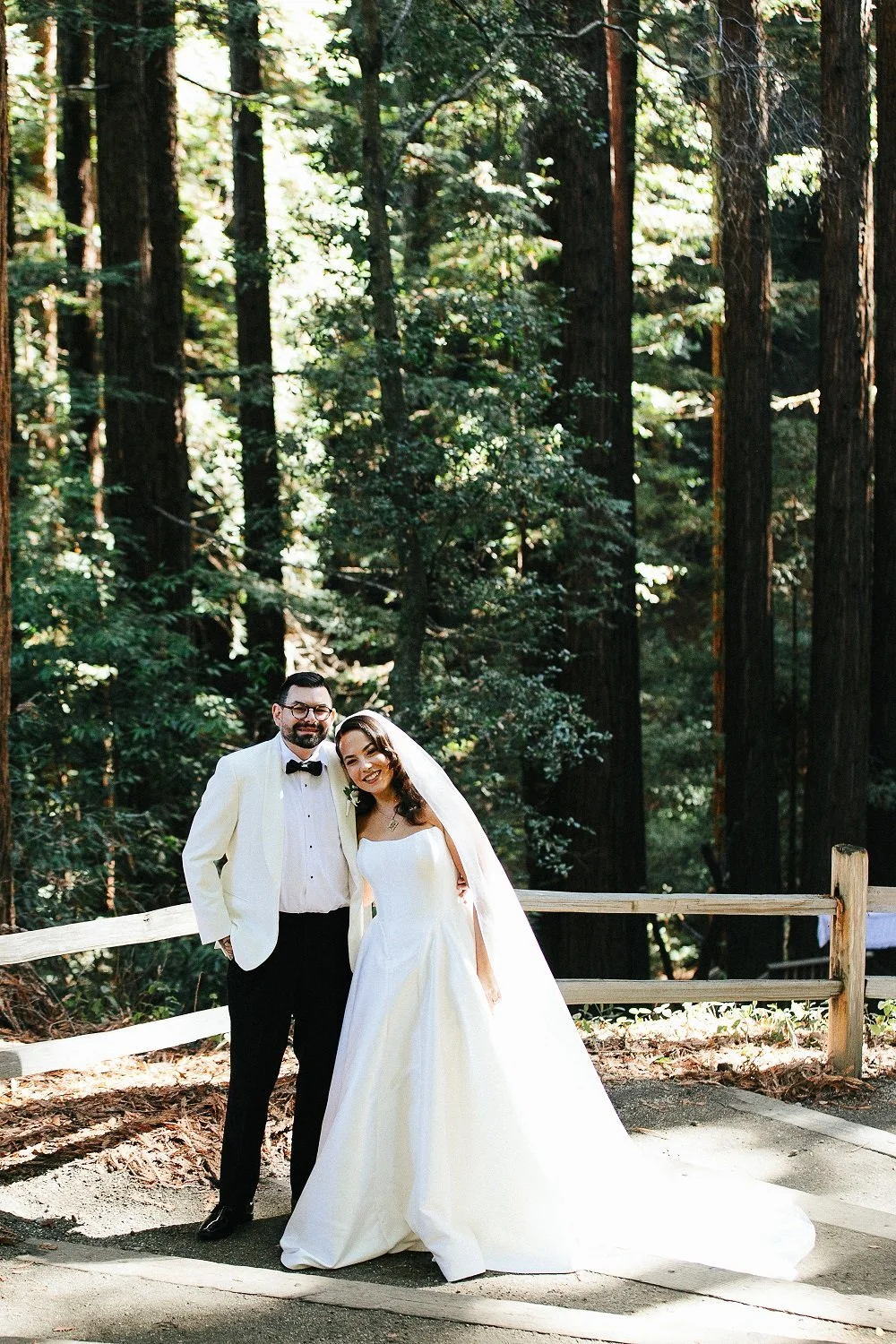


30%: Adding Personality with “Wants”
Once the essentials are covered, the next 30% is where your wedding starts to feel uniquely yours. “Wants” are optional upgrades and creative touches that enhance the experience but aren’t strictly necessary.
Examples of “wants” include:
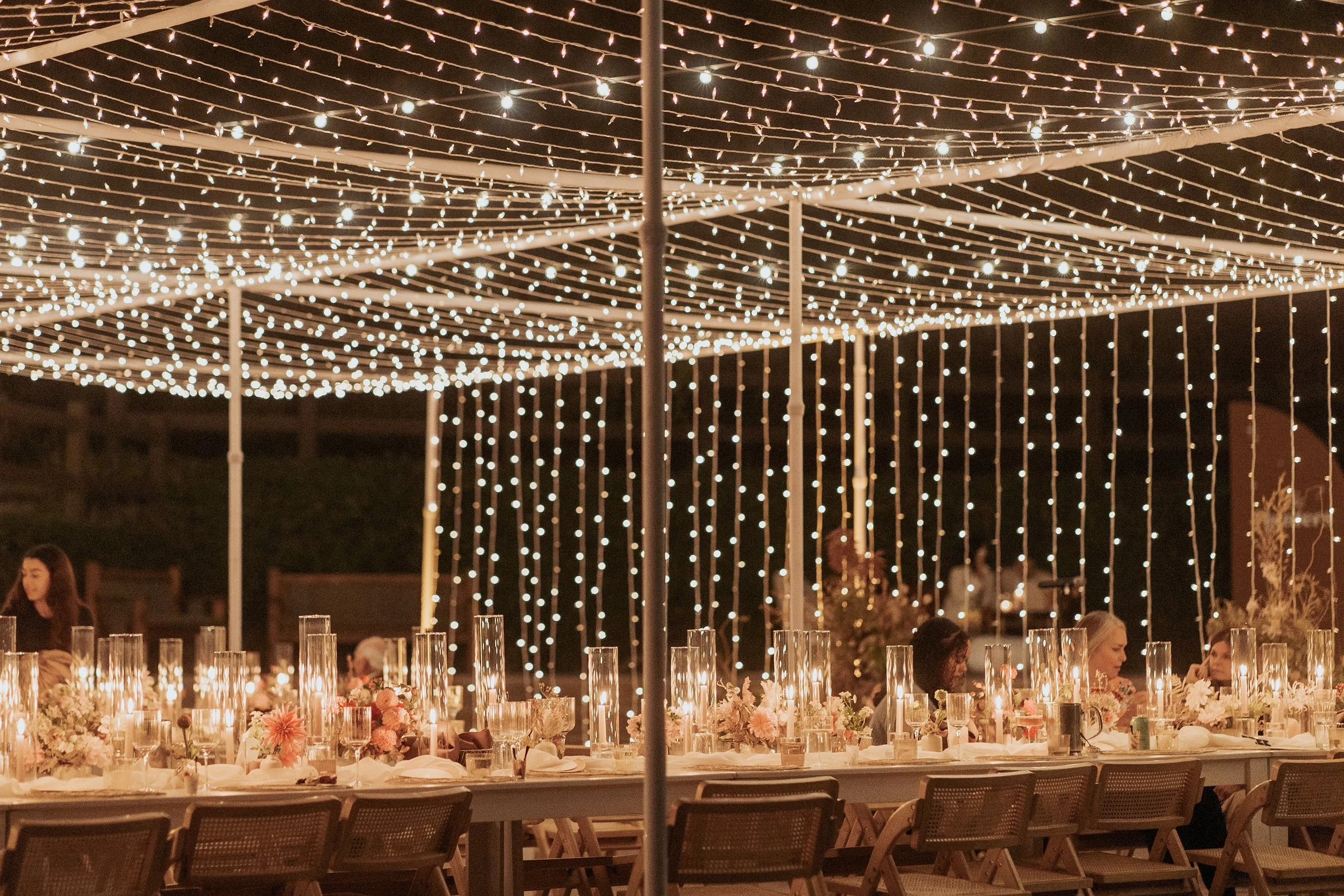
Decorative florals and custom décor
Live bands, DJs, or specialty performers
Lighting upgrades
Signature cocktails
Photo booths or interactive guest experiences
Luxury attire or beauty upgrades
This category gives you permission to splurge—strategically. Instead of feeling guilty about spending on décor or entertainment, you can confidently choose what matters most to you, knowing it fits within a thoughtful plan.


20%: Building a Financial Safety Buffer
Weddings are full of surprises, and not all of them are romantic. Hidden fees, taxes, tips, shipping costs, and last-minute changes can sneak up quickly. That’s why dedicating 20% of your budget as a buffer is essential.
Your buffer can cover:
Taxes and service fees
Vendor tips
Overtime charges
Weather-related rentals
Last-minute guest count changes
Emergency replacements or fixes
If everything goes smoothly, this buffer can also be repurposed—perhaps for a honeymoon upgrade or post-wedding expenses. Either way, it provides peace of mind and keeps financial stress from overshadowing your celebration.
Why This Rule Works for Weddings
The 50/30/20 rule works because it’s simple, flexible, and realistic. It doesn’t force couples into rigid categories or unrealistic expectations. Instead, it encourages mindful spending, open conversations, and financial safety—all while leaving room for creativity and joy.
Most importantly, it helps couples focus on what truly matters: celebrating their commitment without starting married life under unnecessary financial pressure.
Final Thoughts
A wedding budget doesn’t have to be complicated to be effective. By using the 50/30/20 rule—50% for needs, 30% for wants, and 20% for a buffer—you create a clear roadmap that balances practicality, personalization, and peace of mind.
With this framework in place, you can spend less time worrying about money and more time enjoying the moments that make your wedding unforgettable.